Discover Our Collection of Africa Holidays South Africa Botswana Tanzania Zanzibar Zimbabwe Mozambique Zambia Namibia Morocco Kenya Egypt Uganda Previous slideNext slide
Africa Travel Information Flights to various cities in Africa depart from many UK airports on a daily basis. Currency: Various Time difference: VariousFlight time from UK: Various Visa: VariousLanguage: Various National drink: Various National dish: Various Africa covers 20 per cent of the world's total land area. Read Our Travel Magazine Travel Video
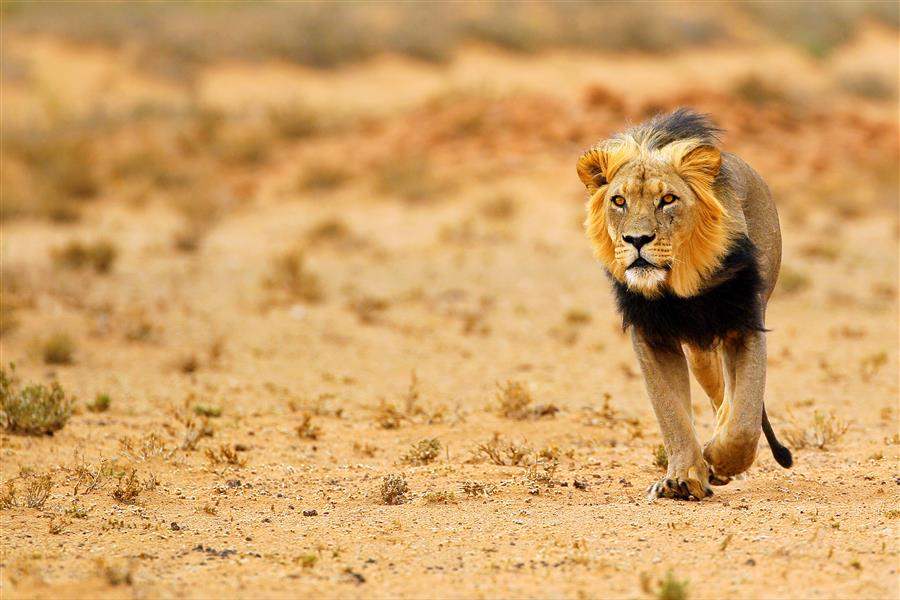
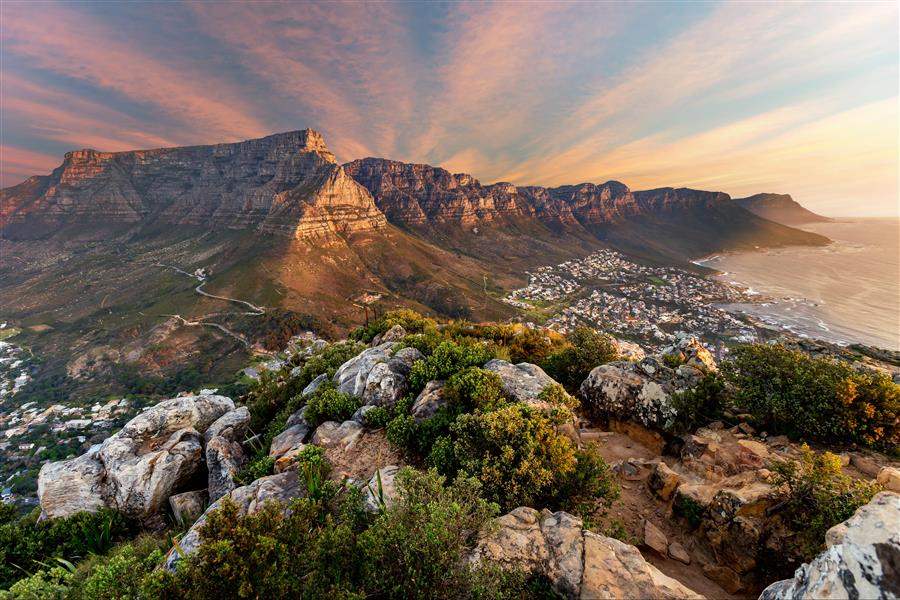
Travel Tips & Advice for Africa Africa Activities Africa has some of the most iconic wildlife on the planet, with elephants, lions and zebras all mingling together on the savannah. On holidays to Africa you can see them close up at the likes of the Masai Mara game reserve in Kenya, with the help of a local guide. The terrain is packed with the continents treasures, with incredible natural landmarks like Mount Sinai offering a glimpse into biblical history and the mighty Victoria Falls enticing all comers with its lunar rainbow. Africa Food & Drink Africa offers fine local and international cuisine, whether you choose to enjoy the hospitality of a hotel, villa or beachside accommodation, or venture out, you can expect to dine in style. Africa has a diverse range of cuisines, which you will get the chance to sample on your holiday here; central Africa offers the most traditional cuisine, southern African food is influenced by many different cultures while dished in north Africa are similar, yet cooking styles very varied. Africa Attractions Visitors to Africa can take their pick from scores of famous attractions and sights; some modern, others ancient. The town of Lalibela in Ethiopia, often described as being "frozen in stone", is famous for its rock-hewn churches. Multicultural Cape Town, watched over by the majestic Table Mountain, offers a variety of artistic and cultural delights. In Egypt you will find the oldest of the seven wonders of the world, and the one that is most intact - the Great Pyramid of Giza.
Cape Town and WhalesThis 8 night itinerary offers the best of Cape Town and the Cape Whale Coast. Combines a city and nature break Spend four nights in the centre of Cape Town Spend three nights in Grootbos ... more 8 Nights from £2889 pp (inc. flights) View ItineraryEnquire Cape Town and FranschhoekA classic and simple weeks break that will undoubtedly leave you refreshed. Full day tour of Robben Island Explore the city of Cape Town Drive along the coast and Cape Point ... more 7 Nights from £2939 pp (inc. flights) View ItineraryEnquire Cape Town and Victoria FallsCombine two of the most exciting places in Southern Africa with the exciting city of Cape Town and the adventurous town of Vic Falls. The busy metropolitan city of Cape Town Excursions in Cape Town and surroundings (booked separately) ... more 8 Nights from £2989 pp (inc. flights) View ItineraryEnquire Beach and Bush EscapeThe Oyster Box and Thanda Safari Private Game Reserve presents an unforgettable beach and bush escape Visit the vibrant city of Durban Game drives in Thanda Game Reserve Big 5 sightings 2 nights at The ... more 6 Nights from £3259 pp (inc. flights) View ItineraryEnquire Scenic Garden Route & SafariCreating memories with the family whilst driving around scenic and iconic routes that define Southern Africa. Self driving around Cape Town Drive along the Cape Peninsula 3 nights at Plettenberg Bay Wonder a... more 10 Nights from £3415 pp (inc. flights) View ItineraryEnquire Cape, Garden Route & Safari Fly Drive HolidayFollow the extraordinary Garden Route for the chance to spot the Big 5 on a thrilling safari. Search for the Big 5 on safari Drive the coastal Garden Route Soak in the vistas from atop Table Mounta... more 11 Nights from £3499 pp (inc. flights) View ItineraryEnquire Safari and WineThe perfect blend of relaxation and exploration, set in idyllic settings. Staying at the beautiful 12 Apostles Full day wine tasting Full day Cape Peninsula tour Accom... more 10 Nights from £3499 pp (inc. flights) View ItineraryEnquire Namibia: The Magic SouthTravel from the Kalahari to Sossusvlei on this incredible 8 night fly drive Tailor-made itinerary, customised to your needs Stay in luxury desert lodges All mea... more 8 Nights from £3599 pp (inc. flights) View ItineraryEnquire Cape Town to WindhoekTravel from the Cape to Namibia on this exciting tailor-made fly drive 14 nights from £2,300pp Stay in luxury lodges Some meals included Explore the Cape Winela... more 15 Nights from £3869 pp (inc. flights) View ItineraryEnquire Highlights of ZimbabweEnjoy the spoils of Zimbabwe in both Victoria Falls and Hwange National Park Walking tour of Victoria Falls Go bungee jumping off the falls Take an evening cruise along the Zam... more 6 Nights from £4299 pp (inc. flights) View ItineraryEnquire 123»


.jpg "Beach Holidays")

.jpg "Luxury Holidays")


.jpg "Spa Holidays")





 0203 131 8384
.jpg)


.jpg)